My First Month as a Cat Owner: 3 Mistakes I Made
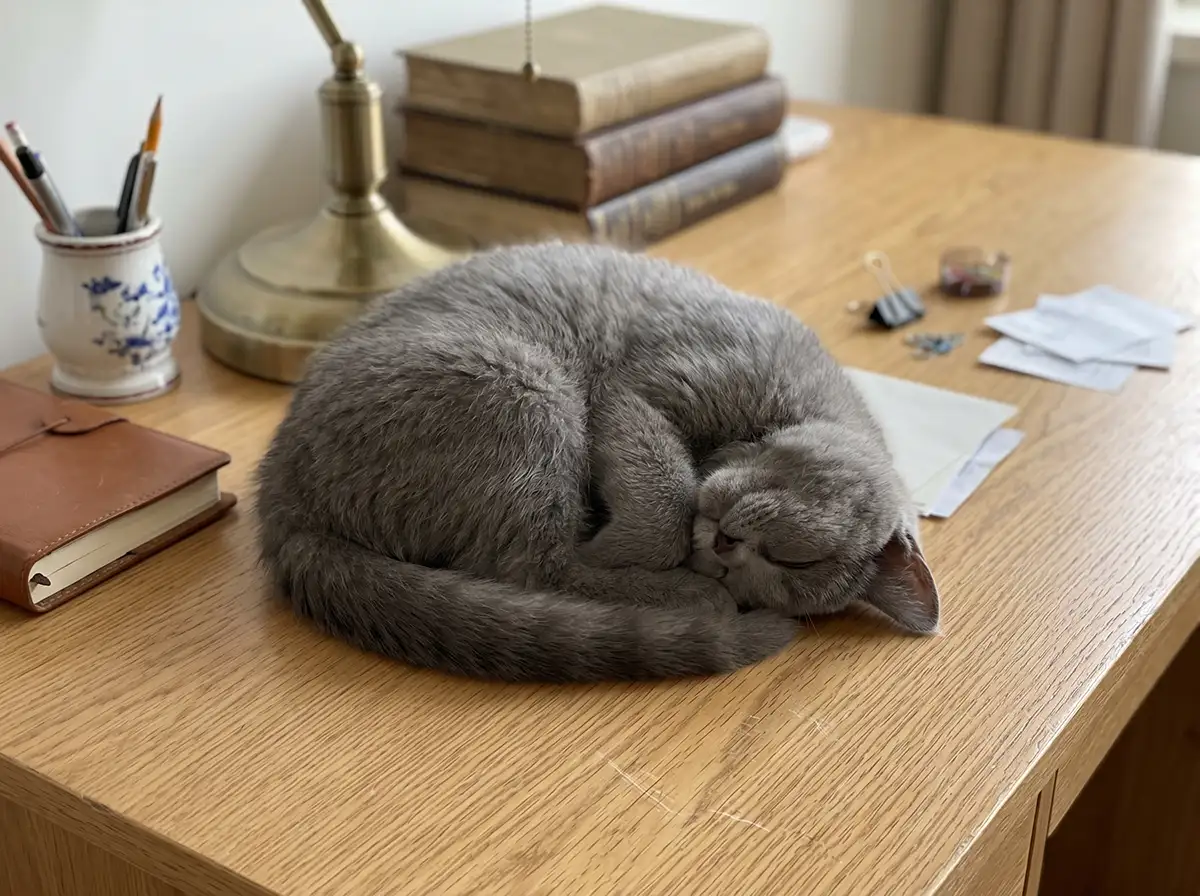
Before bringing Bella home, I did a lot of research. But on the day I actually brought her home, I realized that half of what I’d learned was useless.
The shelter staff had told me, “This cat was returned once before, so you’ll need patience.” I nodded at the time without giving it much thought. I thought I understood. But during that first month of actually living with her, I still stumbled into several pitfalls one after another. Some were minor hassles, but the lack of visible urine should have prompted urgent veterinary assessment.
These are the three mistakes I remember most clearly. They come from living with Bella, not from a rule about all British Shorthairs or rescue cats.
Pitfall #1: Scented Litter and a Frightening Lack of Urine
When I went shopping at the pet store, the clerk enthusiastically recommended their best-selling cat litter—a lavender-scented variety—saying it was dust-free, clumped well, and came in elegant packaging.
I figured the scent would mask any odors, so I decided it was worth the extra cost for peace of mind.
When I got home and poured it into the litter box, a sweet scent immediately filled the air—it smelled just like the air freshener in a hotel bathroom. I was pretty pleased at the time, thinking I’d made the right choice.
But Bella didn’t seem to feel the same way.
On the first day, she didn’t go in. I didn’t think much of it—a new environment, so it was normal for her to be nervous.
The next day, still no action. She ate and drank, but she just wouldn’t use the litter box. I started keeping track of the time: 24 hours, 36 hours, 48 hours. No urine, no stool.
I started to panic and called the vet. I cannot verify the exact timing or phone advice from a record. My decision to keep waiting must not be read as a safe example.
If a cat strains repeatedly and passes little or no urine, seek emergency veterinary care immediately. Do not wait 24 or 48 hours, change litter first, or try to squeeze the bladder. Cornell’s urinary guidance explains why suspected obstruction cannot wait.
That night, I spent hours searching online to figure out what was going on. I scoured several forums and finally came across a comment:
“Some cats are extremely averse to scented litter, especially those with a history of stress.”
That’s when it hit me—I’d been wondering why she wouldn’t go in, but it never occurred to me that the problem might be the litter itself.
I immediately dumped out the entire litter box, washed it thoroughly, and replaced it with the most basic, unscented litter. Bella walked over, sniffed it, and walked away. All I could do was wait.
About three hours later, I heard scratching sounds coming from the litter box. She had gone in.
When she came out, I crouched down to take a look—there was a clump of urine.
I crouched there, staring at that wet clump of litter, and sat there for quite a while before standing up.
I suspected she disliked the scent. Seeing urine after a litter change did not prove the litter caused illness, nor did it establish a UTI or rule out a urinary problem.
Since then, I’ve never bought scented cat litter again.
Not seeing urine and a confirmed inability to urinate are different, but neither should be dismissed. If urine output is uncertain, call the vet promptly; straining with little or no urine needs emergency care now.
Pitfall #2: Too Much Handling, Followed by a Week of Loose Stools
On her second day at home, Bella crawled out from under the couch on her own and rubbed against my ankle.
I was over the moon. I thought to myself, “She’s accepted me!” So I immediately reached out to pick her up, cradled her in my arms, and petted her belly and head.
At first, she even purred. But her tail started twitching slightly—I later learned that was a “stop” signal—but I didn’t notice it at all.
Before long, she struggled to jump down and darted back under the couch. I thought she just wanted to rest, so I didn’t think much of it.
The next day, I found a puddle of soft stool outside the litter box. Over the next few days, she had loose stools on and off, and they smelled particularly bad. Her appetite and energy levels seemed normal, but the diarrhea wouldn’t stop.
On the fourth day, I called the vet. After hearing my description, the vet asked straight out, “Do you hold her a lot?”
I said yes. I recall being advised to reduce handling, with stress suggested as one possibility. That conversation did not establish the cause of Bella’s diarrhoea.
Stress and diet changes can contribute to loose stools, but infections, parasites and other illnesses can look similar. Persistent or recurrent diarrhea needs veterinary advice; seek prompt help with poor appetite, vomiting, lethargy or blood. Cornell’s diarrhea guide explains why improvement alone does not identify the cause.
It took me a while to realize: just because she rubs against me doesn’t mean she’s ready to be picked up. Her coming to me on her own is completely different from me picking her up.
I set a simple rule for myself: don’t touch her unless she initiates it.
No picking her up, no petting her, no reaching under the couch, and no calling her name. I sat on the living room floor reading a book with some treats nearby, pretending she wasn’t there.
Those first few days were really tough. I was so used to reaching out to pet her that several times I’d lift my hand only to put it back down. I told myself: it’s not that I’ll never touch her again—it’s that I’ll wait until she’s ready.
After I stopped trying to pick her up, I remember Bella emerging from under the couch, sniffing my hand and sitting next to my legs. I cannot place that moment precisely within the first week.
In that moment, I really wanted to reach out and pet her. But I didn’t. I told myself to wait a little longer.
She stayed a little while, then walked away on her own. It was another step toward feeling comfortable around me, different from the brief ankle rub I remembered earlier.
Two more days passed, and the diarrhea stopped completely.
Pitfall #3: Frequent Food Changes and a Worried Wait for Her to Eat
During the first week after bringing her home, I was determined to give her the very best. I bought four or five different kinds of canned food—tuna, chicken, salmon, and a few brands with packaging entirely in French that looked really high-end.
That first week, she’d eat anything I gave her, cleaning her bowl every time. I was quite proud of myself, thinking I’d raised a cat that wasn’t picky at all.
Things started to change in the second week. I opened a can of tuna, and she just sniffed it and walked away. I switched to chicken, but she refused that too. With the salmon, she only took a few bites. Not willing to give up, I opened another can of a new flavor. She ate it, but the next day she wouldn’t touch it again.
I thought she might be waiting for another flavour because I kept opening new cans. That was my interpretation. Refusing food can also reflect pain, nausea, stress or illness, so I should not label it stubbornness.
I went back to ask the vet, but I cannot verify the exact advice I was given. Removing meals until a cat gives in is not a safe feeding plan.
Choose a complete food suited to the cat’s age, introduce changes gradually, and monitor how much is actually eaten. Do not withhold food to force acceptance. Contact the vet promptly when a cat stops eating or intake falls markedly. Cornell notes that loss of appetite can become serious quickly.
What follows is what I tried at the time—not a method I recommend repeating.
On the first day, Bella just sniffed it and walked away. When I took the bowl away, she glanced back at me—that look made me feel as if I’d done something wrong.
The next morning, she still hadn’t eaten much. Standing in the kitchen, looking at the untouched bowl of food, two voices were battling inside my head. I felt I should take it away so she could learn to adapt. But then I thought, she’s only been here a short while—was I being too harsh?
I held the bowl, hesitating for a few seconds, but eventually took it away.
That night, as I sat at my computer, I couldn’t stop thinking about how little she’d eaten that day. I kept asking myself: was I doing the right thing? Should I not be so strict?
On the third morning, she ate half a bowl. That night, she finished the whole bowl.
Later, once she settled in, I gradually started switching her food flavors once a month instead of every day.
The First Month with My New Cat Was Nothing Like the Pictures on Social Media
The first few weeks in her new home weren’t filled with scenes of her lying quietly on my lap, purring—instead, it was—
I worried about the lack of urine, then loose stools, then food refusal. I had explanations for each, but those guesses were not confirmed diagnoses.
But every setback helped me understand her better. I learned to slow down, to read her cues, and to not force my good intentions on her.
If you’ve also adopted a sensitive, timid cat that’s been abandoned before, here are three things I recommend keeping in mind from the very beginning:
- Use unscented litter—don’t be tempted by “nice smells”
- Wait for her to come to you; don’t rush to pick her up
- Keep food changes gradual, track intake, and seek veterinary advice for refusal instead of trying to outwait her
I still pay attention to Bella’s appetite rather than trying to win a contest over food. A marked drop in intake would be a reason to call her vet, not a habit to wait out.
If you’re thinking about adopting a rescue cat, I hope these experiences are helpful to you.
I’m still learning how to get along with her, and she’s learning how to put up with me, her not-so-experienced owner. We’re both slowly getting used to each other.